Access delays on narrow Hampstead streets for rubbish vans
Posted on 19/08/2026
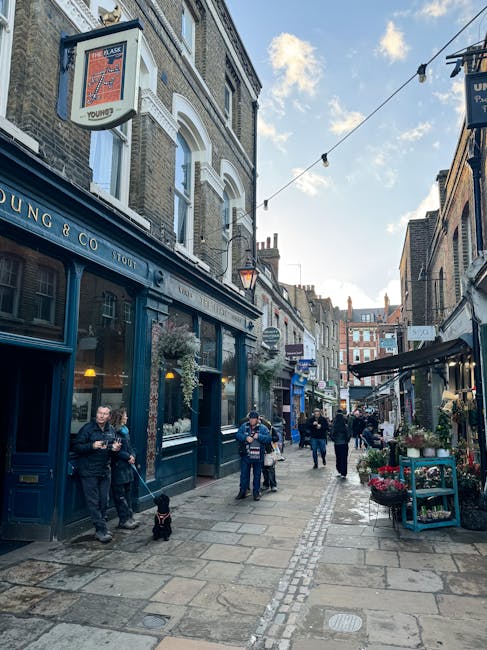
If you have ever tried to organise a rubbish collection in Hampstead and watched the minutes slip by while a van inches along a tight road, you already know the problem. Access delays on narrow Hampstead streets for rubbish vans are not just an annoyance; they can change the whole shape of a collection, from arrival windows and labour planning to what can realistically be removed in one visit. In this guide, we break down why it happens, what it means for residents and businesses, and how to plan around it without making a simple clearance feel like a small expedition.
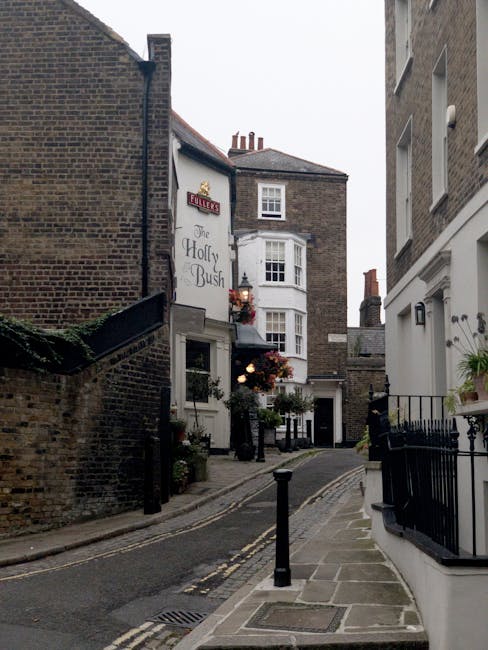
To be fair, Hampstead's charm is part of the issue. The same characterful lanes, parked cars, sharp bends and older building layouts that make the area feel so distinctive can make waste access awkward. The good news? Most delays can be reduced with better preparation, clearer communication and the right collection approach. Let's get practical.
Why Access delays on narrow Hampstead streets for rubbish vans Matters
Access delays matter because waste collections are time-sensitive, space-sensitive and often weather-sensitive too. A van that cannot reach a property easily may need to wait for a gap in parked cars, reverse carefully, or stop short and have crews carry waste further by hand. That sounds minor, but it can quickly affect the entire booking.
In practical terms, delays can mean:
- longer collection windows
- extra loading time
- more manual lifting and carrying
- the need for smaller vehicles or split loads
- higher pressure on traffic-sensitive streets
For households, the result is often frustration and missed expectations. For shops, offices and landlords, the stakes are a bit sharper. Waste sitting outside on a narrow street can affect neighbours, footfall, and sometimes even building access. If you manage a property or run a business locally, it helps to understand the flow of a collection before booking it. Pages like a local's guide to Hampstead living and your handbook to buying property in Hampstead also give useful context on the type of streets and properties you may be dealing with.
The real point is simple: access is not just a driving issue. It affects cost, timing, safety, customer experience and whether the job can be finished in one visit. Sometimes the van is the wrong size. Sometimes the street is fine, but the timing is poor. Sometimes it is just one badly parked car doing the mischief. Happens all the time, honestly.
How Access delays on narrow Hampstead streets for rubbish vans Works
When a rubbish van is scheduled for a Hampstead collection, the crew usually plans around known access conditions: street width, turning room, loading distance, nearby parking, and any likely bottlenecks around school runs, deliveries or evening traffic. If the access is tighter than expected, the crew may need to adapt on the spot.
Here is what typically happens on a narrow street:
- The driver approaches the street and assesses whether the van can safely enter or turn.
- If parked cars reduce clearance, the crew may wait for a better gap or choose a different approach route.
- If the van cannot get close enough, waste may be carried by hand from the property to the vehicle.
- If loading is slow, the schedule can overrun, especially where multiple stops are stacked back-to-back.
- In some cases, the crew may use a smaller vehicle, a second team member, or a staggered collection plan.
That may sound straightforward, but the hidden variable is time. A distance that looks walkable can become awkward when you are carrying a sofa, broken wardrobes, builders' rubble or several heavy bags. A short trip becomes a repeated trip, and repeated trips are where delays show up. You will notice this most during busy periods, when a van needs to keep moving to stay on time.
For collections involving furniture, white goods or mixed household waste, it can help to review the related service pages in advance, such as furniture removal in Hampstead, white goods and appliance disposal, or builders' waste disposal. Different waste types often need different handling, and access restrictions amplify those differences.
A useful way to think about it is this: the van is only one part of the operation. The full job is really a chain of access, lifting, loading, sorting and exit. If one link slows down, the whole chain feels it.
Key Benefits and Practical Advantages
It might sound odd to talk about benefits in a discussion about delays, but planning around access brings real advantages. The best collections are not the ones that magically face no problems; they are the ones that anticipate them and keep the job tidy anyway.
- Less waiting time: if the crew knows the street layout, they arrive with a plan rather than guesswork.
- Safer handling: fewer awkward manoeuvres and fewer rushed lifts reduce avoidable accidents.
- Better pricing clarity: the more accurate the access picture, the less likely there are surprises later.
- Cleaner street presentation: waste is removed more efficiently, which matters where frontages are tight or visible.
- More reliable completion: awkward collections are more likely to finish in one visit when they are planned well.
There is also a quieter advantage: peace of mind. If you are clearing a house, finishing a refurbishment or emptying an office, access uncertainty can be the part that keeps nagging at you. Good planning takes that weight off. The job stops feeling like guesswork and starts feeling manageable. And that, to be fair, is often what people really want.
If you are comparing waste services, the broader overview on services overview and practical guidance on pricing and quotes can help you match the collection method to the actual street conditions, not just the list of items.
Who This Is For and When It Makes Sense
This topic matters to a surprisingly wide group of people. Narrow access is not only a concern for one-off home clearances. It can affect recurring collections, short-notice removals and bigger projects alike.
- Homeowners and tenants dealing with bulky furniture, old appliances or end-of-tenancy waste
- Landlords and letting agents who need quick clearances between occupiers
- Builders and renovators moving plasterboard, timber, tiles or mixed rubble from constrained streets
- Shops and cafes that need discreet removal without blocking a narrow frontage
- Offices clearing desks, chairs, filing cabinets and IT waste from upper floors
- Estate managers overseeing access for multiple units or shared basements
It makes sense any time the waste is more awkward than the access. That is the key test. If the items are heavy, the street is tight, and parking is inconsistent, you should plan as though delays are likely. That does not mean the job is difficult. It means the job needs a bit more thought.
For households, related reads like the Flask Walk waste clearance guide and bulky rubbish pickup around South End Green are useful because they reflect the kind of practical street-level planning Hampstead often needs.
Step-by-Step Guidance
If you want to reduce access delays, start before collection day. A little prep can save a lot of waiting. Here is the process we would recommend in real life.
- Check the street at the same time of day as your booking. A road can feel manageable at 10am and cramped at 4pm.
- Measure what matters. Not every inch, obviously, but note gates, basement steps, tight corners, and any low walls or railings.
- Identify the loading point. Decide where waste will be placed and whether it can be carried without obstructing neighbours or pedestrians.
- Keep access routes clear. Move bins, bikes, plant pots, children's toys, and anything else that becomes a surprise obstacle.
- Tell the collection team about parking limitations. If a van cannot stop directly outside, say so early. It saves back-and-forth later.
- Separate the waste. Mixed piles slow things down. If items are sorted by type, loading is usually smoother.
- Be available for a quick call. Sometimes a driver needs clarification from the street. Being reachable matters more than people expect.
A tiny real-world example: a client on a side street thought a wardrobe could be left by the front door and collected in ten minutes. The wardrobe, unfortunately, had other plans. The hallway was too tight, the landing was awkward, and the crew ended up dismantling it carefully in sections. Still done, still tidy, but it turned into a 30-minute job. The lesson? Assume the item is a bit bigger and the access is a bit worse than your first estimate. Usually that lands you closer to reality.
If you are comparing collection types, rubbish collection in Hampstead and waste clearance services are often the most flexible starting points for access-challenged streets, especially where the load is mixed or unpredictable.
Expert Tips for Better Results
Here are the little adjustments that make a bigger difference than people expect.
- Book earlier in the day if possible. Morning collections often face fewer parking conflicts.
- Avoid leaving waste out too soon. In tight streets, early placement can cause complaints or block shared access.
- Use smaller loads where needed. Two easier collections may be better than one overstuffed visit.
- Think vertically. Basement steps, top-floor flats and loft spaces add time even when the street itself is short.
- Prepare for hand-carry distances. If the van cannot park directly outside, ask how far waste may need to be carried.
- Combine collections sensibly. For example, if you are clearing furniture and old appliances together, confirm whether the access plan still works for both.
One thing that gets overlooked: neighbours. A narrow street often means shared patience. A calm, polite approach goes a long way, especially if a van needs to pause briefly or crews need to manoeuvre. No one loves a blocked street, least of all the people who live there.
Where safety is a concern, read the details on insurance and safety before booking. It is not glamorous, but it matters, and it is one of those pages people are grateful for after the fact.
Common Mistakes to Avoid
Most access problems are not caused by bad luck. They come from a few repeat mistakes, and honestly they are easy to make if you are focused on getting the waste gone.
- Assuming a van will park outside the door. In Hampstead, that is often the first thing to go wrong.
- Underestimating walking distance. A 20-metre carry with one bag is fine; 20 metres with five heavy items is different.
- Forgetting about time restrictions. School run traffic, resident parking, or deliveries can narrow the options.
- Leaving waste in a split pile across the street. It slows loading and can create safety issues.
- Not mentioning basement or upper-floor access. That's a big one. It changes labour needs immediately.
- Booking the wrong vehicle size. Too large and access may be impossible; too small and multiple trips may be needed.
There is also a pricing pitfall. If access delays are likely, but nobody mentions them early, the quote can feel less predictable. For a clearer view of what can affect costs, the article on how to avoid hidden rubbish removal fees in Hampstead is a useful companion piece.
And a small, slightly annoying truth: even one overloaded pavement-side bag can turn into a delay if it has to be split, lifted safely or re-handled. Waste jobs are rarely complicated, but they are very good at exposing tiny oversights.
Tools, Resources and Recommendations
You do not need specialist kit to make a collection go smoothly, but a few simple tools and habits help a lot.
| Tool or resource | What it helps with | Best use case |
|---|---|---|
| Phone photos of the access point | Shows gates, stairs, parking pressure and tight corners | Useful for quotes and route planning |
| Basic tape measure | Checks door widths, passage gaps and item sizes | Handy for bulky furniture or appliances |
| Reusable labels or marker pens | Helps sort waste before collection | Good for mixed clearances and office jobs |
| Shared access note | Informs neighbours, porters or building managers | Useful in terraces, mews-style roads and flats |
| Service comparison page | Matches collection method to the type of waste | Best for first-time bookings |
On the website side, the most useful supporting pages are usually about us, waste carrier licence and compliance, and recycling and sustainability. Those pages help you judge not just whether a collection can happen, but whether it is being handled responsibly.
For very tight streets, some people also look at local service combinations such as house clearance, office clearance, and loft clearance. These are useful where access is only part of a broader clearance project.
Law, Compliance, Standards, or Best Practice
Access delays themselves are a practical issue, but they sit inside a wider compliance and safety picture. In the UK, waste has to be handled by properly authorised operators, and waste should be transferred, transported and recorded according to accepted industry practice. For the reader, the simplest takeaway is this: do not treat a difficult street as a reason to cut corners.
Good practice in this setting usually includes:
- using appropriately insured teams and vehicles
- planning safe loading and unloading routes
- avoiding obstruction of pavements, driveways and emergency access
- communicating clearly if access is tighter than expected
- keeping waste secure during hand-carrying or short stops
Where collections are business-related, being organised matters even more. Commercial waste can create broader duty-of-care expectations, and it is sensible to use providers who can explain how their process works in plain English. If you want a cleaner overview of service standards, the page on commercial waste removal in Hampstead is relevant for shops, offices and small businesses.
There is also a human side to compliance. A careful team looks after residents, passers-by and the property itself. That means taking tight access seriously, not treating it as a nuisance. It is better to spend an extra five minutes doing it properly than to rush and create a problem nobody wanted.
Options, Methods, or Comparison Table
Different access strategies suit different streets. The right choice depends on waste volume, vehicle restrictions and how much time you have.
| Method | Best for | Pros | Trade-offs |
|---|---|---|---|
| Large van collection | Open access and bigger loads | Efficient, fewer trips | May struggle on very narrow roads |
| Smaller vehicle or split load | Tight streets, limited parking | More flexible access | Can require more planning or multiple runs |
| Manual carry from property to vehicle | Short hand-carry distances | Works where parking is impossible nearby | Slower and more labour-intensive |
| Phased collection | Large clearances with mixed waste | Reduces congestion and confusion | May take longer overall |
For many Hampstead streets, the sweet spot is not the biggest vehicle. It is the one that fits comfortably and keeps the team moving. Bigger is not always better. In fact, sometimes it is just bigger. That's all.
Case Study or Real-World Example
Here is a typical Hampstead-style scenario. A family in a Victorian terrace needs a mixed household clearance after a renovation and a move. The road is narrow, parked on both sides, and the front garden is reached by a short path with a turn halfway through. On paper, it sounds like a quick job. In practice, the van cannot sit outside for long, and the crew has to work around passing traffic.
The solution is simple, but not effortless:
- the customer sends photos of the frontage and path in advance
- the team plans for a short hand-carry distance
- the heaviest items are grouped nearest the exit
- smaller bags are moved first so the route stays clear
- the van arrives at a quieter time slot
The job still takes longer than an easy suburban collection, but it finishes cleanly and without friction. No blocked driveway, no awkward back-and-forth, no last-minute panic. Just a measured, sensible process.
That is the real lesson here: access delays do not have to derail a rubbish removal. They just need to be planned into the job instead of discovered halfway through.
Practical Checklist
Use this checklist before booking or on the morning of collection.
- Have I checked whether the van can actually get near the property?
- Do I know if parking outside is realistic, or only hopeful?
- Have I told the team about stairs, basements, gates or narrow corridors?
- Are the items grouped together and ready to go?
- Is the access route clear of bikes, bins, planters and loose clutter?
- Have I allowed extra time if the street is busy at school-run or commuter hours?
- Do I need a smaller vehicle, split collection or a more flexible time slot?
- Have I checked the provider's safety and compliance information?
- Is someone available to answer the phone if the crew needs a quick update?
- Have I kept expectations realistic, especially for bulky or awkward items?
Expert summary: the smoother the access plan, the more likely your collection will be completed quickly, safely and without surprise delays. That is the whole game.
Get a free quote today and see how much you can save.
Conclusion
Access delays on narrow Hampstead streets for rubbish vans are a practical reality, not a rare exception. The streets are characterful, lived-in and often beautiful, but they can also be cramped, parked-up and awkward for large vehicles. Once you accept that, planning gets easier. You choose the right time, give better instructions, and match the collection method to the street rather than forcing the street to fit the van.
That is usually the difference between a stressful clearance and a smooth one. Not perfection. Just good preparation, clear communication and a bit of local common sense. And in Hampstead, that goes a long way.
When the job is planned properly, even a tight street feels manageable. One calm step at a time.

 Tipper Van - Waste Disposal and Junk Removal Prices in Hampstead, NW3
 Luton Van - Waste Disposal and Junk Removal Prices in Hampstead, NW3