Avoid hidden rubbish removal fees in Hampstead
Posted on 30/06/2026
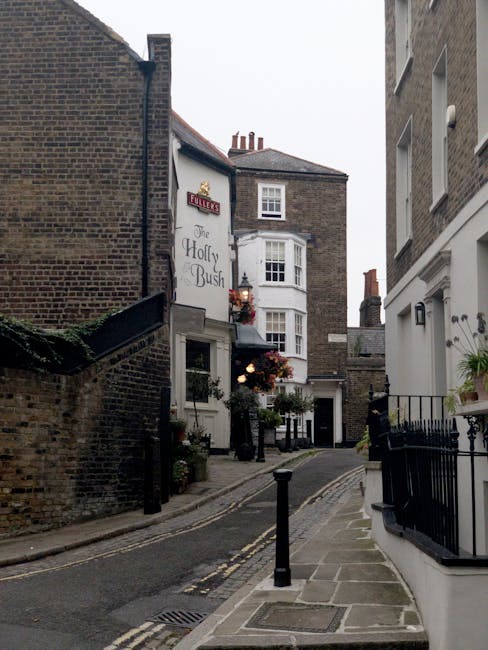
Avoid hidden rubbish removal fees in Hampstead: a practical guide for clear, fair pricing
If you have ever compared rubbish removal quotes and thought, "Hang on, how did it get so much more expensive at the end?", you are not alone. Hidden rubbish removal fees in Hampstead can creep in through the back door: stair carry charges, minimum load surprises, congestion extras, or vague "disposal" costs that were never properly explained. The good news is that most of these headaches are avoidable once you know what to look for. This guide walks you through the usual traps, how fair pricing should work, and the simple checks that help you keep control of the bill from the first quote to final collection.
We will also touch on local context in Hampstead, where tight access, parking, mews streets, flats above shops, and the occasional narrow staircase can all affect costs. None of that means you should accept surprise add-ons. It just means you need a clearer way to compare services and ask the right questions before anyone lifts a single bag.
Why hidden fees matter in Hampstead
Hidden fees are frustrating anywhere, but in Hampstead they can be especially annoying because the job itself often looks straightforward until someone turns up on site. A sofa that sounded like a simple lift-out can become a complicated carry through communal hallways. A builder's waste pile may look compact in a photo, then expand once sorted. And if parking is awkward, the price can jump again. That is where the trouble starts.
There is also a trust issue. If the first quote feels low and the final invoice arrives high, you stop focusing on the waste problem and start wondering whether the company was being honest at all. That is not a great place to be, especially if you are clearing a home, dealing with a move, or trying to keep a renovation on schedule.
In practice, hidden rubbish removal fees matter because they affect three things:
- Budget control: you need to know the real total before you agree.
- Timing: surprise charges can delay collections if you decide to renegotiate on the spot.
- Confidence: transparent pricing usually signals a more organised, accountable service.
And yes, sometimes a price increase is justified. A last-minute extra mattress, a second floor with no lift, or hazardous items that need special handling may all change the job. The issue is not change itself. It is being told about the change too late, or being given a vague fee with no plain-English explanation. Let's face it, nobody enjoys being cornered in their own hallway with a clipboard and a "small adjustment".
How rubbish removal pricing usually works
Most rubbish removal services price work based on a mix of volume, weight, labour, access, and disposal type. That sounds simple enough, but the details matter. A good quote should explain what is included and what could alter the final price. If it does not, you are effectively agreeing to a moving target.
Common pricing elements
- Volume: how much space your waste takes up in the truck or van.
- Weight: especially relevant for heavy items like rubble, soil, tiles, or white goods.
- Labour: the number of people needed and how long loading takes.
- Access: stairs, long carries, parking distance, and lift availability.
- Item type: furniture, appliances, garden waste, builders' rubble, and mixed waste can all have different handling requirements.
- Disposal route: some materials may require separate processing or recycling streams.
In Hampstead, access is often the quiet price driver. A flat on a busy road with limited parking may take longer than the waste itself. A basement clear-out with a narrow stairwell? That is a different job from a ground-floor collection. A fair company should ask about these things before quoting, not after.
One useful rule of thumb: the more precise your description, the less likely you are to be hit with add-ons. Photos help. So do honest notes about where the waste is, whether there is a lift, and whether the kerbside is reachable. If you leave out important details, the contractor may treat the job as changed scope. That is where friction begins.
Key benefits and practical advantages
Clear pricing is not just about saving money, although that is obviously a nice bonus. It also makes the whole process calmer and easier to manage. Once you know how a quote is built, you can compare providers properly instead of comparing vague headline numbers that mean very little.
What you gain from transparency
- No nasty surprises: the final bill should match the agreed scope, or at least be explainable before collection starts.
- Better comparisons: you can judge value, not just the cheapest starting price.
- Faster booking: clear information reduces back-and-forth.
- Fewer disputes: when expectations are set properly, awkward conversations are rarer.
- Better planning: useful for landlords, movers, tradespeople, and businesses with timing pressure.
There is also a quieter benefit: you become more confident about choosing the right service type. For example, a small one-off collection may be better suited to rubbish collection in Hampstead, while bigger projects may be better handled through waste clearance services or specialist options such as builders waste disposal. That sort of match-up matters because the wrong service often looks cheap at first and expensive later. Oddly enough, the "cheap" option is sometimes the pricey one.
For households, transparent pricing is especially helpful when you are arranging house clearance, loft clearance, or furniture removal. Those jobs often involve mixed items, access complications, and disposal questions that should be explained properly upfront.
Who this is for and when it makes sense
Truth be told, almost anyone arranging waste removal in Hampstead can benefit from a clearer quoting process. But some people really need it.
It is especially useful for:
- Homeowners and tenants dealing with a one-off clear-out or move.
- Landlords and letting agents who need a fast, documented collection after a tenancy.
- Renovators and tradespeople looking to manage mixed construction debris.
- Shops and offices with recurring waste or bulky items.
- People clearing inherited property where the contents are hard to estimate in advance.
This also applies if you are dealing with specialised items like fridges, freezers, or washing machines. In those cases, a service such as white goods and appliance disposal may be more appropriate than a general collection, because the handling and processing can be different. The same logic goes for furniture disposal when the items are awkwardly shaped or unusually heavy.
For businesses, there is also a commercial angle. If you are a cafe, office, or retail unit near the High Street, price surprises can eat into a weekly budget very quickly. That is why a service like commercial waste removal in Hampstead should be quoted clearly, with any regular uplift, access issue, or restricted collection time explained in advance.
Step-by-step guidance to avoid surprise charges
Here is the part people usually wish they had done earlier. If you follow these steps before booking, you are far less likely to get caught out.
- Describe the waste properly. Be specific. Not "a few things". Say whether it is mixed household rubbish, garden waste, builder's debris, furniture, or appliances. If possible, count the items.
- Share photos. A couple of clear pictures can prevent a lot of confusion. Include the full pile and the route out of the property if access is tight.
- Mention access conditions. Stairs, basement access, no lift, long driveway, controlled parking, or distance from the road all matter.
- Ask what is included. Confirm whether labour, loading, disposal, VAT, and waiting time are part of the price.
- Check for possible extras. Ask directly: "What might increase the price on the day?" That one question is worth its weight in gold.
- Get the quote in writing. Email, text, or online quote details help prevent memory drift later. And memory drift, as anyone who has moved house knows, is real.
- Confirm item restrictions. Some materials may need special handling. If you have paint, chemicals, sharps, or other unusual items, say so early.
- Clarify timing. If the company charges for waiting, late access, or missed appointment windows, you need to know before the booking is fixed.
A practical example: imagine you are clearing a flat near Hampstead Heath after furniture replacement. If you say "one wardrobe and a few bags" but forget to mention three flights of stairs and a second old mattress behind a locked storage door, the collection could become more expensive on arrival. That does not mean the company is being sneaky. It means the quote was built on incomplete information. Still annoying, though.
If you want a broader sense of the service landscape before you book, the services overview and about us pages can be useful reading. They help you understand how a provider positions its work, which is often a small clue to how clear the service will be in practice.
Expert tips for better results
There are a few habits that make a big difference when you are trying to avoid hidden rubbish removal fees in Hampstead.
Use these practical habits
- Take measurements: rough dimensions of bulky items can stop size-related misunderstandings.
- Separate material types where possible: mixed waste can cost more to process than a sorted pile.
- Keep a simple inventory: especially for house clearances or office clear-outs.
- Ask for a threshold: "If the load is larger than expected, what is the price change per extra amount?"
- Book when you can be present: being on-site helps resolve surprises before they become charges.
One thing we often suggest, especially for busy households, is doing a 10-minute pre-sort before requesting a quote. You do not need a military operation. Just separate obvious categories: furniture, bags of general rubbish, small electrical items, garden cuttings, and rubble. That tiny bit of effort can save a lot of uncertainty.
Also, pay attention to the tone of the quote. A professional provider will usually sound precise, not evasive. They should be comfortable saying, "This includes X, Y and Z, and the only likely extras are A or B." If you are getting fuzzy answers, that is usually the moment to slow down.
If sustainability matters to you, it is worth checking whether the company explains recycling and disposal routes in a sensible way. You can review their approach to recycling and sustainability so you know whether your waste will be treated with care rather than just tipped into the nearest grey bin of mystery.

Common mistakes to avoid
Most hidden-fee problems are surprisingly ordinary. They happen because people are rushed, tired, or simply trusting that "it'll be fine". Usually, it is not fine. Or not as fine as it first sounded.
- Accepting a quote without checking what is excluded. A low headline price can hide labour, loading, parking, or disposal extras.
- Under-describing the waste. This is the big one. Be honest about quantity and type.
- Forgetting access details. Narrow staircases and parking restrictions can change the job.
- Mixing specialist waste with general rubbish. Appliances, garden waste, and builders' rubble may not be priced the same way as ordinary household junk.
- Assuming all companies use the same disposal method. They do not.
- Not asking about VAT. Some quotes appear lower because tax has not been made clear.
- Rushing because the collection is urgent. Urgency makes people skip the sensible questions. Happens all the time.
Another common mistake is choosing purely on speed. Fast is useful, yes. But fast and transparent is better. If you need a same-week pickup for bulky items, local options such as domestic waste collection or garden waste removal may fit the job better than a generic one-size-fits-all quote.
Tools, resources and recommendations
You do not need fancy software to avoid hidden charges. A few simple tools and habits are enough.
Practical tools that help
- Phone camera: take photos from a few angles.
- Notes app: keep a quick list of items, access issues, and questions for the provider.
- Simple measuring tape: useful for sofas, mattresses, wardrobes, and awkward appliances.
- Email trail: keep the quote and any follow-up clarifications in one place.
For people comparing services, the most useful pages on a provider website are often the ones that explain pricing, payments, compliance, and safety in ordinary language. In this case, pricing and quotes, payment and security, and insurance and safety are the sort of pages that help you judge whether the operation feels organised.
If you are trying to decide between a quick collection and a more comprehensive clear-out, it may help to read about waste disposal in Hampstead as a broader category, then compare it with the more specific service you actually need. The right fit can prevent both overpaying and underquoting.
Law, compliance and best practice
When rubbish removal is handled properly, compliance is part of the value, not an afterthought. You do not need to become an expert in waste legislation, but you should expect a provider to behave responsibly and be able to explain how they operate.
In the UK, waste carriers should be properly registered where required, and waste should be moved, stored, and disposed of in line with relevant rules and accepted industry practice. That matters because if waste is handled badly, the original customer can end up with the fallout. You do not want your old sofa becoming someone else's fly-tipping problem.
A trustworthy provider should be able to speak plainly about their waste carrier licence and compliance. They should also explain how they handle safety, particularly when moving heavy items through homes, stairwells, or shared buildings. If you are arranging a more awkward clearance, especially in a converted property or a basement flat, that clarity is worth a lot.
Best practice also means:
- clear pre-job descriptions;
- upfront explanation of any likely extra charges;
- safe handling of items and access points;
- transparent payment terms;
- proper disposal and recycling where possible;
- respect for privacy and property during the job.
For anyone living locally, it is also sensible to choose services that understand Hampstead's mix of residential and commercial streets, period buildings, and tight access. A local knowledge base can reduce errors, which in turn reduces price disputes. Small thing, but it helps.
Options and pricing comparison
To compare rubbish removal options properly, it helps to look beyond the headline number. A quote that appears cheaper may become more expensive once the extras are added. Here is a simple way to think about the common approaches.
| Option | Best for | What to check | Risk of hidden fees |
|---|---|---|---|
| Pay-on-arrival collection | Small, urgent jobs | What the quote includes, access assumptions, minimum load rules | Medium to high if the scope is vague |
| Fixed-price quote | Clearly described loads | Whether photos and access details were reviewed | Lower if the quote is well specified |
| Volume-based pricing | Mixed household or bulky waste | How volume is measured, whether labour is included | Medium if item sizes were misjudged |
| Specialist removal | Appliances, rubble, or awkward items | Separate handling, disposal method, safety requirements | Lower when item type is correctly identified |
In real life, the safest route is usually the one that lets you describe the job well and get a written price before anyone arrives. If your job includes large furniture, then a specialist route such as furniture removal may be cleaner and easier to compare than a vague general collection. For full properties, house clearance or office clearance may be more appropriate.
Real-world example
A Hampstead resident in a top-floor flat wanted to clear an old wardrobe, a broken desk, and several black bags after a room redecoration. The first quote looked appealing. It was quick, polite, and slightly vague. The provider asked only for "a few photos", then mentioned the price would depend on access and total volume.
After a bit more checking, it turned out the stairwell was narrow, there was no lift, and parking was not available directly outside. The customer sent clearer images and listed the items properly. The revised quote was higher than the first one, but it was honest and fully explained. No awkward surprises on the day. No mystery charges. Just a clear job and a clear price.
That example is simple, but it shows the pattern. Surprise costs often start with incomplete information, not always with bad intent. The fix is to slow the process down just enough to make the quote accurate before you commit. It saves a headache later.
In another case, a small shop near the High Street needed regular clearance of packaging and display waste. By clarifying collection times, access rules, and the type of waste in advance, the business avoided repeated one-off add-ons and settled into a more predictable arrangement. That sort of setup is often far easier to manage than constantly renegotiating at the door. Nobody wants that, frankly.
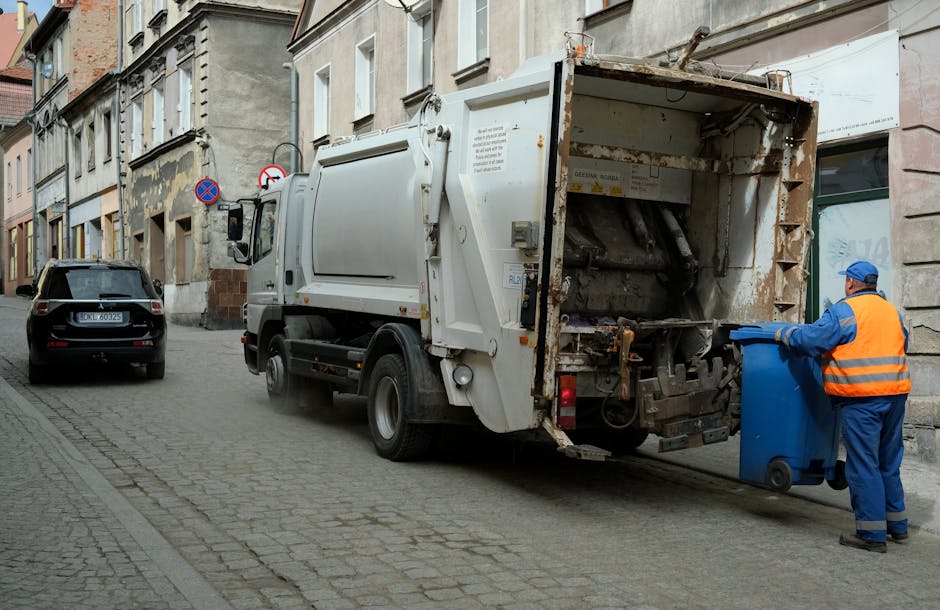
Practical checklist
Use this before you book. It is short on purpose.
- Do I know exactly what items are being removed?
- Have I shared photos from more than one angle?
- Have I explained stairs, lifts, parking, and access distance?
- Do I know whether labour, loading, and disposal are included?
- Have I asked what could increase the price on the day?
- Is the quote written down somewhere I can refer to later?
- Do I need a specialist service for furniture, appliances, garden waste, or builders' debris?
- Have I checked payment terms and any deposit requirements?
- Do I understand the provider's compliance and safety approach?
- Am I comparing value, not just the lowest starting price?
If you can tick most of those boxes, you are already in a much safer position than the average customer. Not perfect, perhaps, but much safer.
Get a free quote today and see how much you can save.
Conclusion
Avoiding hidden rubbish removal fees in Hampstead comes down to one thing: clarity before collection. The more accurately you describe the waste, the access, and the timing, the more likely you are to get a fair quote that holds up on the day. That does not mean every job is cheap or simple. It means the price should make sense.
When you choose transparent pricing, you save more than money. You save time, stress, and those slightly maddening back-and-forth conversations that nobody wants at the end of a busy week. If you are planning a clear-out, moving house, or dealing with bulky items, a little preparation now will usually pay off later. And honestly, it feels better too.
Get the details right, ask the awkward question early, and trust the provider who answers plainly. That is usually the one worth keeping.

 Tipper Van - Waste Disposal and Junk Removal Prices in Hampstead, NW3
 Luton Van - Waste Disposal and Junk Removal Prices in Hampstead, NW3