Hampstead High Street rubbish collection tips for shops
Posted on 06/06/2026

Running a shop on Hampstead High Street means every square metre matters. One untidy back room, one overflowing bag, and suddenly the whole place feels harder to work in. Customers notice too, even if they never say it. That's why smart, well-timed rubbish collection is not just a back-of-house chore; it is part of how a shop looks, feels, and runs day to day.
In this guide, we'll walk through practical Hampstead High Street rubbish collection tips for shops that help you keep waste under control without turning the working week into a constant clean-up. We'll cover what works, what usually goes wrong, how collection schedules should be set up, and the small habits that make a surprisingly big difference. If you want a cleaner shop, fewer headaches, and a more professional routine, you're in the right place.
- Why it matters
- How it works
- Key benefits
- Who this is for
- Step-by-step guidance
- Expert tips
- Common mistakes to avoid
- Tools, resources and recommendations
- Law, compliance and best practice
- Options and comparison
- Case study
- Practical checklist
- Conclusion
- Frequently asked questions
Why Hampstead High Street rubbish collection tips for shops Matters
High street shops live and die on first impressions. That sounds a bit dramatic, but it's true. A neat window, a clear entrance, and a back-of-house area that doesn't smell faintly of old cardboard all send the same message: this business is organised and dependable.
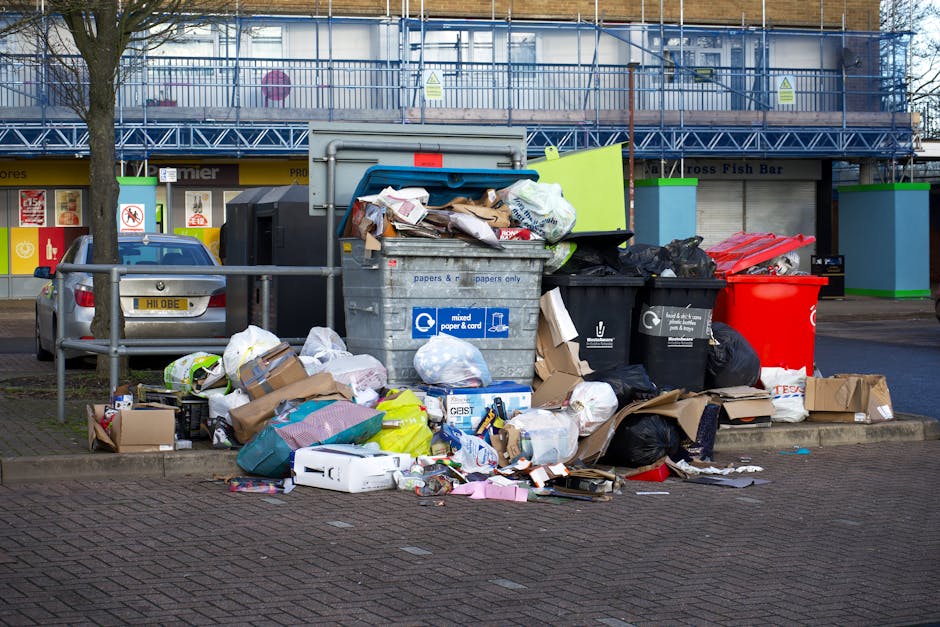
On a busy London high street, waste builds up fast. Deliveries arrive in bursts, packaging piles up before lunch, and food or takeaway waste can create odours if it sits too long. If your shop is near neighbours, as many Hampstead businesses are, one missed collection can become everyone's problem, not just yours.
There is also the practical side. Poor waste handling can lead to blocked access routes, pest issues, staff injuries, and avoidable disruption during peak trading hours. You don't need drama in the middle of a Tuesday. You need a system.
For many businesses, the right waste routine sits somewhere between consistency and flexibility. That means planning for your normal output, but also allowing for seasonal spikes, promotions, refits, and stock changes. A Christmas display, a summer sale, or a delivery of bulky fixtures can change your waste profile overnight.
It is also worth saying that good rubbish management supports your wider operational image. Shops that handle waste well tend to manage stock, displays, and customer flow better too. It all hangs together. A tidy service yard often reflects a tidy business mindset.
If you're also dealing with wider commercial waste needs, it can help to look at a dedicated commercial waste removal Hampstead service rather than trying to patch things together with ad hoc arrangements. For some businesses, especially smaller shops, that keeps life a lot simpler.
How Hampstead High Street rubbish collection tips for shops Works
At its core, shop rubbish collection is about matching your waste output to a reliable collection rhythm. The practical goal is simple: waste should leave the premises before it starts causing a nuisance, blocking staff, or taking over storage space.
In real life, this usually involves a few moving parts:
- sorting waste into sensible streams, such as general rubbish, cardboard, recyclables, and bulky items
- storing waste in suitable containers or sacks
- placing waste where it can be collected safely and quickly
- timing collections around trading hours and deliveries
- making sure the collector can remove everything without disrupting customers or neighbouring businesses
A small shop may only need regular sack-based collections and the occasional bulky uplift. A busier retailer, cafe, delicatessen, or boutique with high delivery volume may need a more structured service. The right setup depends on turnover, stock format, waste type, and the space you have at the back.
The collection process itself should feel boring. That is a compliment. The less everyone has to think about it, the better it is working. If waste keeps getting in the way, the system is probably too vague or too small for the shop's real output.
When collection routines are designed well, staff know exactly what goes where, when bags are moved, and who checks for overflow. That clarity matters. A lot of waste problems are really process problems in disguise.
If your shop occasionally needs one-off clearances for displays, old fixtures, or storage-room clutter, a broader waste clearance Hampstead solution can be useful. It gives you room to deal with the odd job without disturbing the normal collection rhythm.
Key Benefits and Practical Advantages
Good rubbish collection is not glamorous. Let's face it, nobody opens a shop for the thrill of bin day. But the benefits are real and immediate.
| Benefit | What it means in practice | Why it matters for shops |
|---|---|---|
| Cleaner presentation | No bags spilling into customer-facing areas | Improves trust and supports the brand image |
| Better staff workflow | Staff spend less time moving waste around | Saves time during busy trading periods |
| Lower nuisance risk | Less odour, mess, and clutter | Helps avoid complaints from nearby businesses or residents |
| Safer premises | Clearer walkways and fewer trip hazards | Reduces avoidable accidents in tight back-of-house spaces |
| More predictable costs | A proper schedule beats last-minute fixes | Budgeting becomes easier and less stressful |
There's also a quieter benefit that shop owners often mention after the fact: peace of mind. When waste is under control, the rest of the day feels lighter. Staff don't keep stepping around bags, managers aren't fielding little complaints, and the whole place just flows better.
For shops that are trying to improve their environmental approach, a well-organised collection routine can also support recycling. Separating cardboard, mixed recyclables, and general waste at source is usually far more effective than trying to sort a messy pile later. That's one of those small operational wins that adds up over time.
If sustainability is part of your brand story, it may be worth reviewing your wider approach via the recycling and sustainability page. It helps connect the day-to-day bin routine to a bigger picture.
Who This Is For and When It Makes Sense
This guide is aimed at shops of all kinds on or near Hampstead High Street, especially those handling regular packaging waste, stock rotation, or customer-facing disposal needs. That includes independents, boutiques, convenience shops, specialist retailers, cafes with a retail angle, and small businesses sharing limited storage space.
It makes sense to tighten up your rubbish collection if any of the following sound familiar:
- you are running out of back-room space before the week is finished
- cardboard builds up faster than expected
- staff are unsure where waste should be placed
- collections happen, but not at the right time for your trading pattern
- you have had odour, spill, or storage issues
- your shop receives frequent deliveries or stock changes
- you are preparing for a refit, relaunch, or seasonal display change
There's a different rhythm for a small gift shop than for a busy food retailer. A tiny boutique might create mostly packaging waste and a few bags of general rubbish. A shop with chilled stock, fit-out materials, or regular promotional material may need a much more flexible arrangement. One size rarely fits all, which is why "just put it out when it's full" often turns into a mess by Thursday afternoon.
Some shops also share buildings or courtyards with offices or residential units. In those cases, rubbish collection has to be coordinated carefully so it doesn't interfere with other users of the property. If that sounds like your setup, a service that can handle office clearance Hampstead as well as routine collections may be useful in the background, especially during moves or reorganisations.
Step-by-Step Guidance
If you want a waste routine that actually works, keep it practical. Overcomplicating it helps nobody. Here's a sensible process for most shops.
- Map your waste streams. Start by noting what you throw away most often: cardboard, soft packaging, general rubbish, food waste if relevant, damaged stock, or bulky items.
- Measure your volume honestly. Not ideal-world volume. Real volume. Include the busy days, not just a quiet Tuesday morning.
- Check your storage space. Look at where waste sits before collection. Is it clean, dry, secure, and easy to access? If not, that's your first fix.
- Set the collection frequency around your peak. If waste is overflowing every Friday, the schedule is too light. Move it up before the problem becomes routine.
- Train staff on sorting rules. Even a simple system fails if one person puts everything in the wrong bag. Keep it visible and easy to follow.
- Use the right containers. Bags, bins, and stackable cardboard storage should match your output. Loose waste is almost always where trouble starts.
- Schedule collections outside busy trading windows. Early morning or after close is usually easier for a high street shop, especially when footfall is steady.
- Review monthly. If waste volume grows, update the arrangement. Shops change faster than people expect.
A good rule of thumb: if someone has to "make it fit" every collection day, the system needs adjusting. Waste should be managed, not wrestled with. A small difference, but an important one.
And yes, this is where the boring little habits matter. Flatten cardboard. Tie bags securely. Keep routes clear. Put bulky waste aside before it becomes an obstacle. The shop that handles these basics well usually has fewer surprises, even in the rush of a Saturday morning.
Expert Tips for Better Results
After years of dealing with shop waste patterns, one thing stands out: the best results come from small, repeatable habits, not heroic clean-ups. Here are the practical moves that make a difference.
1. Separate cardboard before it becomes a problem
Cardboard is often the biggest space thief. If you let boxes stack up "just for now," they swallow the back room. Flatten them at once, and your storage area suddenly feels twice as manageable.
2. Place waste where collection can happen quickly
Collectors need a clear route. Staff need a clear route. Customers definitely do too. The less waste has to be moved around on collection day, the less chance there is of spillages or blocked access.
3. Build a five-minute closing routine
At the end of the day, assign a simple waste check: empty small bins, confirm bags are sealed, and make sure nothing is left in the wrong place. Five minutes. Maybe less. It sounds tiny, but it saves real time later.
4. Watch seasonal changes closely
Christmas stock, sales events, and new product launches all change the waste picture. If you don't adjust for those spikes, the collection plan will fall behind. That's usually when people start saying "we only have a small problem," right before the pile gets bigger.
5. Keep a spare space for bulky items
Old shelves, broken packaging, delivery strapping, or damaged display units need somewhere to go before removal. If you have no designated holding point, rubbish spreads into places it shouldn't.
One slightly old-school but still useful tip: make the waste area look as tidy as the shop floor. It sounds obvious, but many premises treat the back room like a forgotten corner. Truth be told, it is often where the real operational discipline shows up.
If you have bulky or mixed items that build up from time to time, a flexible rubbish collection Hampstead arrangement can be a better fit than trying to force everything into the same bag-and-bin routine.

Common Mistakes to Avoid
Most rubbish collection problems in shops come from a handful of predictable mistakes. The good news is that they're easy to prevent once you spot them.
- Using collections as a last resort. If waste is left until it causes visible clutter, you're already behind.
- Mixing waste types. Cardboard, general rubbish, and bulky items all need different handling. Mixing them creates inefficiency and confusion.
- Ignoring access. A collection is only easy if the route is clear. Doors, corridors, and shared passages matter more than people think.
- Underestimating packaging waste. Shops often generate far more cardboard than expected, especially after deliveries.
- Skipping staff guidance. Even the best plan fails if the team doesn't know where things go.
- Leaving waste outside too early. This can look untidy and may invite mess, weather damage, or complaints.
- Forgetting the odd big item. A broken chair, shelf, or fixture can sit around for weeks unless someone owns the task.
There's also a softer mistake: treating waste as separate from the customer experience. It isn't separate. If your entrance smells off, or your staff are visibly navigating around bags, the shop feels less polished. Even if the till is busy.
And one more thing that trips people up: assuming the "cheapest" arrangement is the best. Not always. A slightly better schedule or more suitable collection style can save time, space, and embarrassment. Sometimes the sensible option is the cheaper one in the long run. Sometimes not. Depends on the shop, really.
Tools, Resources and Recommendations
You do not need an elaborate setup to manage shop waste well. A few simple tools go a long way.
- Clear labels: label bins and bags so staff can sort quickly without second-guessing.
- Cardboard cutters or box knives: helpful for breaking down packaging safely and neatly.
- Stackable containers: good for tight back rooms where floor space is limited.
- Weekly waste log: jot down what fills fastest so you can adjust collection frequency intelligently.
- Basic staff checklist: a printed routine near the back door often works better than a verbal reminder that gets forgotten.
For businesses wanting a broader overview of what is available, the services overview is a helpful starting point. It gives a clearer sense of how different collection and clearance needs fit together.
If your shop also needs occasional removal of larger items, damaged fittings, or leftover stockroom pieces, you may find it useful to compare routine collections with one-off waste disposal Hampstead support. The two services can work together quite neatly.
A useful local observation: in compact high street premises, the best tool is often not a product at all, but a habit. A ten-second check at closing can beat an expensive fix later. Little things. Always little things.
Law, Compliance, Standards, or Best Practice
Waste handling for shops in the UK needs to be taken seriously. While every business setup is a little different, the general principle is simple: your waste should be managed responsibly, stored safely, and removed by a suitable collector.
Best practice usually includes:
- keeping waste secure so it does not create hazards or nuisance
- sorting materials sensibly where practical
- making sure collections do not block access or create unsafe conditions
- using a provider that can demonstrate proper waste carrier compliance
- keeping internal records of collections where that helps with audit or operational checks
It is also wise to understand who is responsible for the waste once it leaves the shop floor. In many cases, the business producing the waste still has a duty to make sure it goes to the right place. That means choosing a collector carefully rather than assuming every removal option is identical. It isn't.
If you want to review trust and operational standards more closely, the pages on waste carrier licence and compliance and insurance and safety are worth a look. They help set expectations around responsible collection, safe handling, and general professionalism.
For business owners dealing with payments, invoices, or regular service arrangements, the page on payment and security may also be useful. Not exactly thrilling reading, I know, but the practical detail matters.
Where sustainability matters to your brand, it is sensible to align your waste routine with lower-waste choices, more recycling where possible, and less unnecessary disposal. That does not mean being perfect. It means being deliberate.
Options, Methods, or Comparison Table
Different shops need different collection methods. The right choice depends on waste volume, space, and how often you can safely store bags before pickup. Here's a simple comparison.
| Method | Best for | Pros | Trade-offs |
|---|---|---|---|
| Routine bag collection | Small shops with steady waste | Simple, predictable, low fuss | Can struggle during busy periods if volume grows |
| Regular commercial waste service | Shops with ongoing waste output | More structured and easier to plan around | Needs review when trading patterns change |
| Ad hoc bulky collection | Fixtures, packaging spikes, stockroom clear-outs | Flexible for one-off needs | Not ideal as the only waste solution |
| Combined waste and clearance approach | Shops with both daily waste and periodic larger items | Covers normal operations plus occasional clearances | Needs good communication and planning |
For many Hampstead shops, a blended approach works best. Daily waste stays on a set routine, while heavier or occasional items are handled separately. That keeps the back room calm, which is half the battle.
If your shop regularly replaces furniture, shelving, or fixtures, it can help to look at furniture disposal Hampstead or furniture removal Hampstead support when you need it. A lot of shop waste is not really "rubbish" in the everyday sense; it is old fit-out material waiting for the right route out.
Case Study or Real-World Example
Here's a realistic example based on the sort of situation many local shops face.
A small independent retailer near Hampstead High Street had a recurring issue with cardboard stacking up behind the till and in the stock room. The team would flatten boxes when they had time, which, to be honest, meant "not often enough" during busy weeks. Deliveries on Monday and Thursday created a surge, and by Saturday the back area looked crowded and felt awkward to work in.
The fix was not dramatic. They introduced three simple changes:
- a daily cardboard flattening routine at opening and closing
- a dedicated waste corner with clearly marked storage
- a collection pattern adjusted to match delivery days rather than using a generic weekly approach
Within a few weeks, staff had less to move around, the shop looked tidier, and the clutter no longer crept into customer-facing areas. Nothing fancy. Just a better rhythm.
Later, when they replaced some display pieces and cleared older stockroom fittings, they used a separate clearance arrangement rather than forcing everything into the standard rubbish system. That kept the day-to-day collection clean and predictable. Exactly what you want.
This is a good reminder that shop waste management works best when it reflects real trading patterns, not a theory of how the week "should" look.
Practical Checklist
Use this checklist to tighten up your shop's rubbish routine. It's simple on purpose.
- Do we know what waste we produce most often?
- Are cardboard and general rubbish separated where practical?
- Is there a clear, tidy holding area for waste before collection?
- Do staff know where each type of waste should go?
- Does the collection schedule match our busiest days?
- Are bags sealed, labelled, and easy to move?
- Do collections happen without blocking customers or deliveries?
- Have we planned for seasonal spikes or promotion periods?
- Are bulky items handled separately when needed?
- Do we review the setup regularly rather than letting it drift?
If even two or three of those answers are shaky, there is probably room for a better system. That's normal. Most shops improve waste handling in small steps, not all at once.
Conclusion
Good shop waste management on Hampstead High Street is really about keeping the day smooth. Clear routes, sensible sorting, regular collections, and a routine that matches your real trade - that is the formula. Not glamorous, but effective.
The best Hampstead High Street rubbish collection tips for shops are the ones that reduce friction. Less clutter. Fewer interruptions. Cleaner storage. Better customer impressions. And, honestly, a calmer working day for everyone involved.
If your current setup feels a bit patchy, start with the basics: measure what you produce, clear the storage area, and align collection timing with how your shop actually operates. From there, the rest usually falls into place. Slowly, then all at once. That's often how it goes.
Get a free quote today and see how much you can save.
And if you're refining your broader business operations too, a helpful next read is the local perspective in Hampstead living: a local's guide, which gives a feel for the area your customers move through every day.

 Tipper Van - Waste Disposal and Junk Removal Prices in Hampstead, NW3
 Luton Van - Waste Disposal and Junk Removal Prices in Hampstead, NW3