11/09/2026
If you live in Hampstead, household rubbish can feel oddly complicated for something so ordinary.
Waste Disposal Hampstead provides a reliable, efficient and ethical office clearance service across Hampstead and the surrounding areas. From modern offices on Finchley Road to small studios off Heath Street and shared workspaces in converted buildings near Hampstead High Street, we remove unwanted items quickly and responsibly, with minimal disruption to your working day.
Whether you are relocating, downsizing, refurbishing or simply reclaiming space, our team handles full or partial office clearances, recycling and donations, and all types of business and flat clearance with care and professionalism.
Our office clearance service is designed to be flexible, so you only pay for what you need. We work with businesses of every size, from small offices in terraced properties near Flask Walk to larger premises along Haverstock Hill.
We clear a wide range of office items, including:
Desks, chairs and office furniture
Filing cabinets, cupboards and shelving
Electrical equipment and IT items
Paper, files and general office clutter
Reception furniture and communal area items
We plan every office clearance around your schedule, including early mornings and evenings where required, to keep disruption to staff and clients to an absolute minimum.
Some clients need a complete clearance of every item in their office, while others only want select items removed. We offer both full and partial clearance options, tailored to your exact requirements.
Full office clearance is ideal if you are:
Moving out of a premises in Hampstead and need it cleared for handover
Closing or merging offices and clearing entire floors
Refurbishing a workspace in a converted house or mansion block and starting from scratch
Partial office clearance is perfect when you:
Only need to remove old desks, chairs or storage units
Are replacing IT equipment and need the old items collected
Want to declutter storage rooms, basements or loft spaces in older terraced buildings
Our team can walk through the property with you before the clearance begins, to confirm exactly what should stay and what should go, giving you complete peace of mind.
Alongside commercial office spaces, we also specialise in flat clearance and home office clearance throughout Hampstead. Many residents run home offices from apartments along Fitzjohns Avenue, maisonettes near Belsize Park, and converted Victorian houses around South Hill Park. We understand the unique challenges that come with accessing these properties and clearing them respectfully.
Our flat clearance service covers:
Single rooms, home offices and studies
Full flat clearances in mansion blocks and converted houses
Basement and loft clearances in terraced properties
Removal of old furniture, paperwork, electronics and general clutter
We take particular care when working in shared hallways and on narrow staircases, ensuring we protect floors and walls while removing larger items from upper floors.
Probate clearances often follow a difficult period, and we approach every job with care, respect and discretion. Whether you need to clear a flat near Hampstead Heath, a townhouse close to Redington Road, or a converted apartment near East Heath Road, our team can manage the process from start to finish.
We can work with executors, solicitors and family members to:
Carry out part or full property clearances
Identify items for family, sale, donation or disposal
Carefully separate personal or sensitive items
Provide itemised information on what has been removed, if required
Our aim is to make the clearance as straightforward and stress free as possible, while ensuring that items are treated with dignity and disposed of or rehomed responsibly.
We are committed to high levels of recycling in every office and flat clearance. Hampstead includes a mix of new and older buildings, from purpose built office blocks to period terraces. Many of these properties generate reusable furniture and equipment that should not simply go to waste.
Where possible, we divert items away from landfill by:
Recycling metal desks, filing cabinets and shelving
Separating wood, plastic and metal components for processing
Ensuring electrical items are handled in line with regulations
Recycling large volumes of paper, files and cardboard
Our team will sort items on site or at our facility, ensuring that as much material as possible is recycled or repurposed, helping reduce the environmental impact of your clearance.
Many items removed during an office or flat clearance still have plenty of usable life left in them. To prevent good quality furniture and equipment going to waste, we work with a network of local and regional donation partners, including charities and community organisations.
Where items are suitable for reuse, we aim to donate:
Office desks and chairs
Storage units, bookcases and filing cabinets
Meeting room and reception furniture
Domestic furniture from flat clearances
By choosing Waste Disposal Hampstead, you are not only clearing your space but also supporting reuse in the wider community. We prioritise donations wherever practical before moving on to recycling or disposal.
When items cannot be reused or recycled, we ensure they are disposed of in a fully compliant and ethical manner. We operate in line with current environmental regulations and waste legislation, so you can be confident your clearance is handled correctly from start to finish.
Our ethical disposal approach includes:
Using licensed facilities for all waste we collect
Handling confidential materials, such as documents and records, securely
Separating hazardous or restricted items for specialist processing
Keeping landfill use to a minimum through reuse and recycling
This responsible approach is especially important for businesses along Finchley Road, Hampstead High Street and the surrounding residential streets, where corporate responsibility and local reputation matter.
Hampstead has a varied mix of building styles and layouts, and we are experienced in clearing all types of premises, including:
Open plan offices in commercial buildings
Small offices in converted terraces and townhouses
Studios and co working spaces in refurbished properties
Home offices in flats, maisonettes and mansion blocks
We are used to working within tight stairwells, shared entrances and limited parking areas common around Hampstead Village, South End Green and the streets bordering Hampstead Heath. Our team plans clearances carefully so that access, neighbours and local conditions are fully considered.
Businesses and residents across Hampstead choose us for office and flat clearance because we combine efficiency with a strong commitment to ethical and environmentally sound practices. We offer:
Flexible full or partial clearances
Specialist support for probate clearances
High rates of furniture and equipment recycling
Active partnerships with donation and reuse organisations
Respectful teams experienced in working in flats, terraces and converted buildings
From a single office in a converted house near Downshire Hill to a complete flat clearance in a mansion block off Netherhall Gardens, Waste Disposal Hampstead delivers a straightforward, responsible and professional service every time.

GET A FREE QUOTE
Keep calm and choose our green junk removal!
Waste Disposal Hampstead provides waste disposal in Hampstead for homes, landlords, trades and businesses that need organised removal of unwanted items, general rubbish and mixed non-hazardous waste. The service is suited to routine clear-outs, one-off collections and property preparation, with attention to sorting, loading and responsible handling. If you need a straightforward way to clear space without arranging several separate trips, this is the kind of service that keeps the process practical and manageable.
We cover a broad range of clearance work, from household items and old furniture to builders’ waste and office contents, so the right approach can be matched to the material rather than forcing everything into one generic collection. Waste disposal in Hampstead is often about fitting the removal to access, item type and timing, which is why a clear description of the load matters before anything is booked.
For a quick start, use the service pages below to match your job to the nearest fit, then ask for a quotation when you are ready. Choose the page that best reflects the waste you need removed, because that usually makes the estimate and collection plan more accurate.
Domestic waste collection is a practical option for everyday clutter, bags of mixed rubbish, broken household items and the kind of material that does not suit council collections. A clear description of the contents helps distinguish between simple rubbish collection and more specific clearance work such as bulky items or full room clearances. For a broader overview of the available options, see the services overview, which brings the main work areas together in one place.
Where the load includes a mixture of furniture, packaged waste and loose household items, the job may be better handled as a waste clearance rather than as a single-item pickup. That distinction matters because the time needed for loading, sorting and carrying can change the way the work is planned. If you already know that the waste is mainly domestic, the domestic waste collection page is the most relevant starting point for a quotation request.
The most useful details are the type of waste, the approximate volume, whether items are bagged or loose, and whether there are access limits such as narrow stairs, shared entrances or restricted parking. These details are not paperwork for the sake of it; they help set a realistic collection plan. If you are comparing options, the rubbish collection page is a practical fit for mixed non-hazardous material that needs prompt removal.
Bulky waste is often best handled separately from general rubbish because furniture, white goods and other larger items may need more care during removal. Sofas, wardrobes, cabinets, beds and similar pieces can occupy a surprising amount of space and may need dismantling or careful manoeuvring. The furniture removal page is the clearest fit when the main task is taking away household or office furniture that is no longer needed.
Where the job involves a fridge, freezer, washing machine or another appliance, it is better to choose the specific white goods route rather than treating the item as ordinary refuse. That helps keep the scope accurate and makes it easier to describe any preparation needed, such as disconnecting the appliance before collection. The white goods and appliance disposal page covers that type of work, while the furniture disposal page suits items that are being removed for disposal rather than relocation.
When a room contains several large pieces, it can be more efficient to describe the whole lot as a furniture clearance rather than listing each item individually. That is especially true if you want bedding, shelving and smaller associated pieces removed along with the main items. For general customer guidance on what falls into the wider category, the waste clearance page offers a sensible route for mixed bulky waste and household clutter.
Keep the focus on what is actually there: solid wood furniture, flat-pack units, upholstered pieces or appliances. That makes the quotation process clearer and reduces the chance of misunderstanding between a simple uplift and a more involved clearance. If the collection includes several different bulky items, describe them together so the scope can be assessed as one job rather than several disconnected ones.
Builders’ waste disposal is intended for material generated by renovation, refurbishment or light building work. Typical loads include offcuts, broken masonry, packaging, old fixtures and general site debris that accumulates while a project is under way. The builders’ waste disposal page is the obvious choice when the waste comes from construction or alteration work rather than from the household itself.
For jobs where the waste is being removed after a room has been stripped out, the scope may overlap with a larger clearance. That is often the case with kitchens, bathrooms, extensions or decorating projects where there are both heavy materials and lighter mixed waste. In those situations, the collection can be organised around the actual load, with a view to carrying out what is practical in one visit. The detail matters more than a broad label, because plasterboard, timber, tiles and packaging are not all handled in the same way.
It helps to separate inert rubble, mixed builder’s waste and larger construction items before asking for a price. Access conditions also matter: upper floors, tight driveways, shared hallways and loading restrictions can all affect the work involved. Where the project is not purely construction waste and includes general contents as well, the house clearance page may be more suitable for describing the overall task.
Keep hazardous materials out of the description unless the website specifically covers them; that makes the quotation conversation more precise and keeps the scope within the normal waste-removal categories shown here. If your job is a partial strip-out rather than a full build site clearance, it is usually worth explaining which items must go and which must stay.
Clearance work is useful when the job is larger than a simple collection and involves several kinds of contents from one property or workplace. A house clearance can include furniture, general contents and miscellaneous items that need removing in a planned way, while a loft clearance focuses on stored items that have built up over time. The loft clearance page is the right fit if the main task is opening up a storage space above the property.
Office clearance has a different emphasis because desks, chairs, filing units, shelving and surplus work materials may all need removing without disrupting the rest of the building more than necessary. For that kind of work, the office clearance page offers the most relevant description, while the commercial waste removal page suits ongoing business waste rather than a one-off clear-out.
A clearance is usually the better option when the aim is to remove a mixed set of items from one location rather than to isolate a single category of waste. It is also helpful where there are items of different sizes, because the plan can account for lifting, sorting and moving through the property. If the job is a combination of household contents and bulky pieces, the house clearance page is often the clearest route for a quotation.
Two pieces of information are especially helpful when asking for a quote: a rough inventory of what is to go, and any access issue that could slow the work. That may include stairs, parking, entry systems or the need to work around other occupants. Send those details together rather than in separate messages so the estimate can be based on the actual clearance, not a guess.
Pricing for waste removal is usually shaped by the amount of material, the type of items, the ease of access and the time needed to load everything safely. A small pile of bagged waste is different from a bulky load that fills awkward spaces or requires careful carrying. If you want to see how the business presents its pricing approach, the prices page is the most direct place to begin, and the pricing and quotes page is useful when you are preparing to request an estimate.
Clear descriptions tend to produce better quotations. Mention whether the waste is packed in bags, stacked neatly, spread across a room or mixed with items that need sorting. Photos can be useful if they show the full load clearly, but they should complement the written description rather than replace it. If you are ready to discuss the job, the contact us page is the final step for sending the request.
Keep the request brief but specific. The most useful notes usually cover the kind of waste, the approximate quantity, the floor or access route, and whether there are objects that need extra care during removal. Where the waste is part of a wider property project, it is also sensible to explain whether the job is a partial clearance or a full property emptying. The more accurately the load is described, the easier it is to match the right service page and avoid back-and-forth.
Waste removal is not just about lifting items away; it also depends on handling the material in a way that fits the type of waste involved. This is why compliance and safety information can matter when customers are choosing a provider. The waste carrier licence and compliance page sets out the regulatory side of the service, while the insurance and safety page is useful where customers want to understand the approach to managed removal.
There is also a practical environmental side to the work, because not all items should be treated the same way once collected. Reusable or recyclable materials may be separated where appropriate, and mixed loads are often easier to manage when the contents are described honestly from the outset. The recycling and sustainability page is the best place to read the company’s position on that aspect of the service. If you prefer to see the business background as well, the about us page gives a general company introduction.
For customers who want to review the terms behind the service, the terms and conditions page and the payment and security page are both relevant before confirming a booking. Those pages do not replace the main service description, but they help answer practical questions about how the transaction is handled. Where the waste is commercial, office-related or tied to a project, the supporting pages can be read alongside the service page that best fits the job.
Hampstead is one of northwest London’s best-known districts, shaped by a long association with the Heath, older village streets and a distinctive mix of Georgian, Victorian and later architecture. The area developed from an historic settlement that grew into a fashionable spa and then into a settled London neighbourhood with a strong cultural identity. Its streets still retain a varied character, from elegant terraces and mansion blocks to narrower lanes around the old centre, which gives the place a layered sense of history rather than a single uniform style. Hampstead Heath remains one of its defining landmarks, with open grassland, wooded sections, ponds and distant views across London that have helped make the area widely recognisable.
Some jobs are best described by their setting rather than by the exact item type. A landlord might need a flat cleared after a tenancy, a shop may need packaging and unwanted stock taken away, and a homeowner may simply want a one-off collection of mixed waste. The waste disposal page is the most general route, while the rubbish collection page suits a more straightforward load of non-hazardous material.
Where the job is tied to trading premises, the waste can include cardboard, shelving, packing materials and old fixtures as well as general rubbish. That is why commercial collections are often planned differently from domestic ones, even if the visual result is similar. The commercial waste removal page remains the strongest fit for business-related loads, while the office clearance page is better when desks, chairs and internal furnishings are part of the work.
It is usually simplest to start with the most specific page that matches the waste, then move to a broader page only if the job is mixed or hard to classify. That keeps the quotation request direct and avoids overcomplicating the first conversation. For example, furniture removal, appliance disposal and builders’ waste each have their own practical differences, even though they all sit within the wider disposal service.
If you are uncertain which label best fits the work, describe the contents in ordinary language and mention whether they come from a home, office, shop or building project. That is enough to guide the next step without writing a long explanation. Request a quotation when you have a clear list, and we can help turn the description into a suitable collection plan.
If you live in Hampstead, household rubbish can feel oddly complicated for something so ordinary.
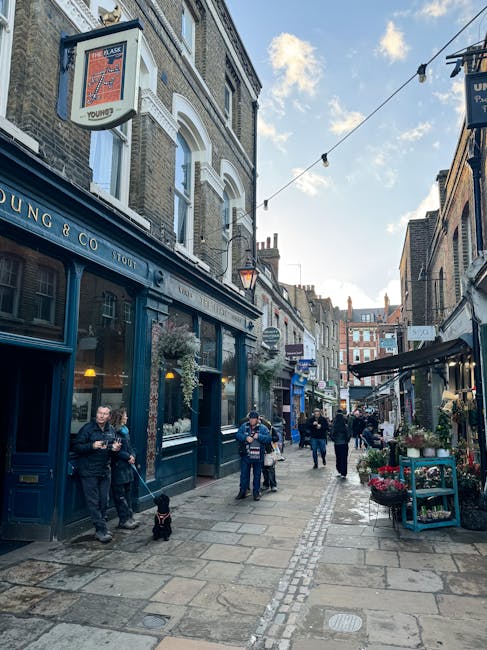
If you have ever tried to organise a rubbish collection in Hampstead and watched the minutes slip...
When rubbish suddenly becomes a problem, it rarely waits for a convenient time.

If you have ever looked up into a Hampstead loft and thought, "Where on earth do we start?", you...
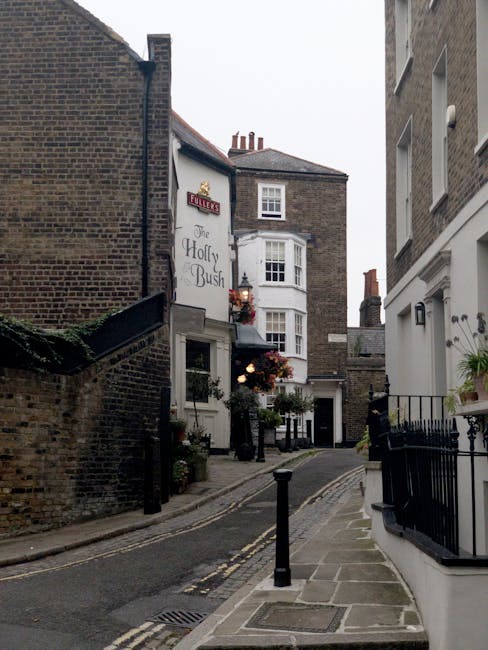
If you have ever compared rubbish removal quotes and thought, "Hang on, how did it get so much...

If you are dealing with an old sofa, a broken wardrobe, garden clippings in oversized bags, or...

Running a shop on Hampstead High Street means every square metre matters. One untidy back room,...
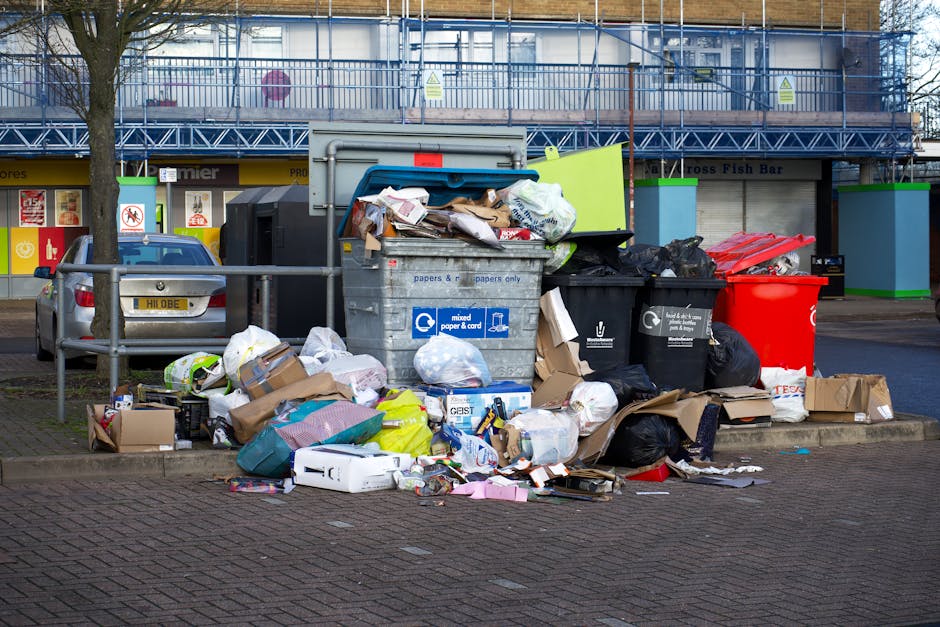
If you live, work, or are clearing a property near Hampstead Heath NW3, rubbish has a way of...

Hampstead, a charming village located just a few miles northwest of Central London, is renowned...

Nestled within the charm and elegance of London, Hampstead stands as a beacon of culture,...

Nestled in the heart of North London, Hampstead is known for its charming streets, lush green...

London, one of the world's most bustling cities, is known for its iconic landmarks, rich history,...

 (82)
(82)